What Excellence in Pet Care Looks Like
I spend a lot of time reading what forum members have learned about pet care in Miami, and the best stories stand out because they share a pattern. They show a provider who knows what they're doing, communicates clearly with pet owners, keeps detailed records, and treats someone else's animal the way they'd treat their own.
This page gathers what that actually looks like on the ground. I've pulled these examples from threads where members compared notes about boarding facilities and walking services over weeks and months. These aren't invented best practices. These are the things that happen when a business does the work right.
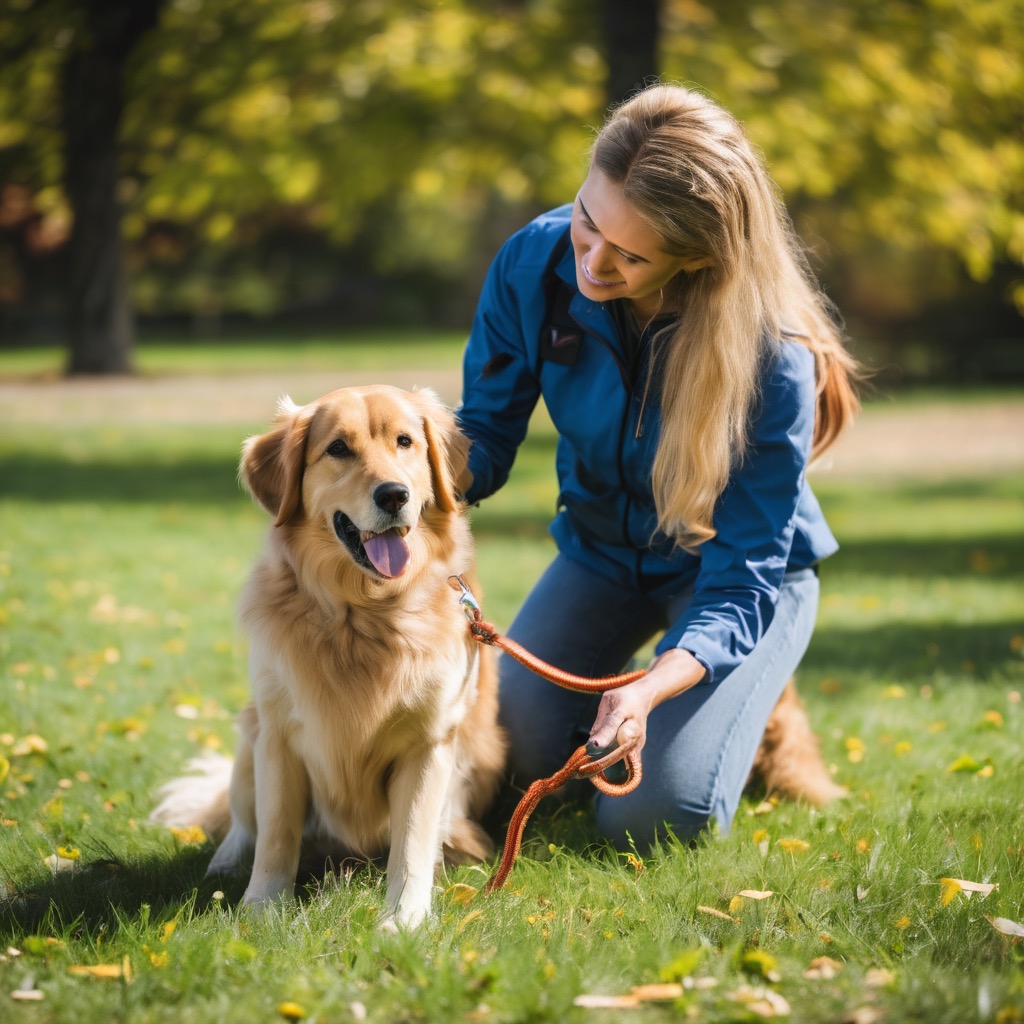
What You Actually See at a Good Boarding Place
A well-run facility answers your questions on the phone before you visit. They ask about your dog's temperament, medication needs and what makes them comfortable. They show you the sleeping areas, play spaces and feeding protocols without pushing you through in five minutes. Staff know individual dogs' names and personalities within hours, not days.
When you pick your dog up, they hand you a written summary: what your dog ate, when they napped, any interactions with other dogs, and whether anything seemed off. The owner of such a place will call you within hours if something changes, even something they think is minor. If your dog needs last-minute care while you're traveling, a good boarding place builds its reputation on handling that reliably.

Three Markers of Professional Service
Insurance and contracts
Any sitter or walker worth hiring has general liability insurance covering injury or loss. They put everything in writing: rates, cancellation policy, what they do in emergencies and what you owe them. A verbal agreement with a friend is fine; a business should have a contract.
Communication style
They text you photos or notes during the day. They answer your messages within a few hours, not days. They ask follow-up questions if your dog seems anxious or if something is new in your routine. Silence from your pet's caregiver is a red flag.
Veterinary awareness
They know which signs in a dog mean call a vet now, not after lunch. They understand medication interactions, age-related fragility, and breed-specific issues. They ask for your vet's contact and don't hesitate to reach out if something worries them.
Questions Members Ask About Finding the Right Care
How do I know if a boarding facility is really clean? Visit without calling ahead if possible, and look at details: Are water bowls actually filled? Are floors swept and smelling reasonable? Is there visible mold or animal waste left sitting? What do the staff's hands look like when they come out of the dog areas—do they wash up between dogs? A clean facility isn't paranoid about showing you everything.
What if my dog has never boarded before? Start with a trial: drop them off for two to four hours and come back. Watch your dog when you pick them up. Are they happy, tired and calm, or stressed and disoriented? That tells you everything. The facility should be fine with a short first stay so your dog can get used to the routine.