A homeowner's guide to roofing materials, costs, and what to expect when you're ready to make the decision.
The Problem, Stated
When your roof starts showing its age or you're building new, the options feel overwhelming. There's asphalt shingles—the standard everyone knows. There's metal roofing, gaining popularity and promising longevity. And then there's tile, slate, wood, and other specialty materials. Each has real advantages. Each has real tradeoffs. The question isn't which is "best"—it's which is best for your specific situation, your budget, and your home's climate. I've been through this decision twice, and I've watched neighbors make the choice with varying results. Here's what I've learned matters most.
The Options Compared
Here's a straightforward comparison of the most common roofing materials for residential homes. I've included real cost ranges based on what I've seen quoted for my own home's square footage, though your local market will vary.
Common Roofing Materials: Features & Costs
Material
Lifespan
Initial Cost (per sq ft)
Maintenance
Best Climate
Asphalt Shingles
15–25 years
$1.50–$3.50
Low
Most climates
Metal (Panels)
40–70 years
$3.50–$8.00
Low
Snow, rain, coastal
Metal (Standing Seam)
50–80 years
$8.00–$14.00
Minimal
Extreme weather
Clay or Concrete Tile
50+ years
$6.00–$15.00
Moderate
Hot, dry regions
Wood Shakes
20–40 years
$4.00–$10.00
High
Mild climates
What It Should Look Like When Done
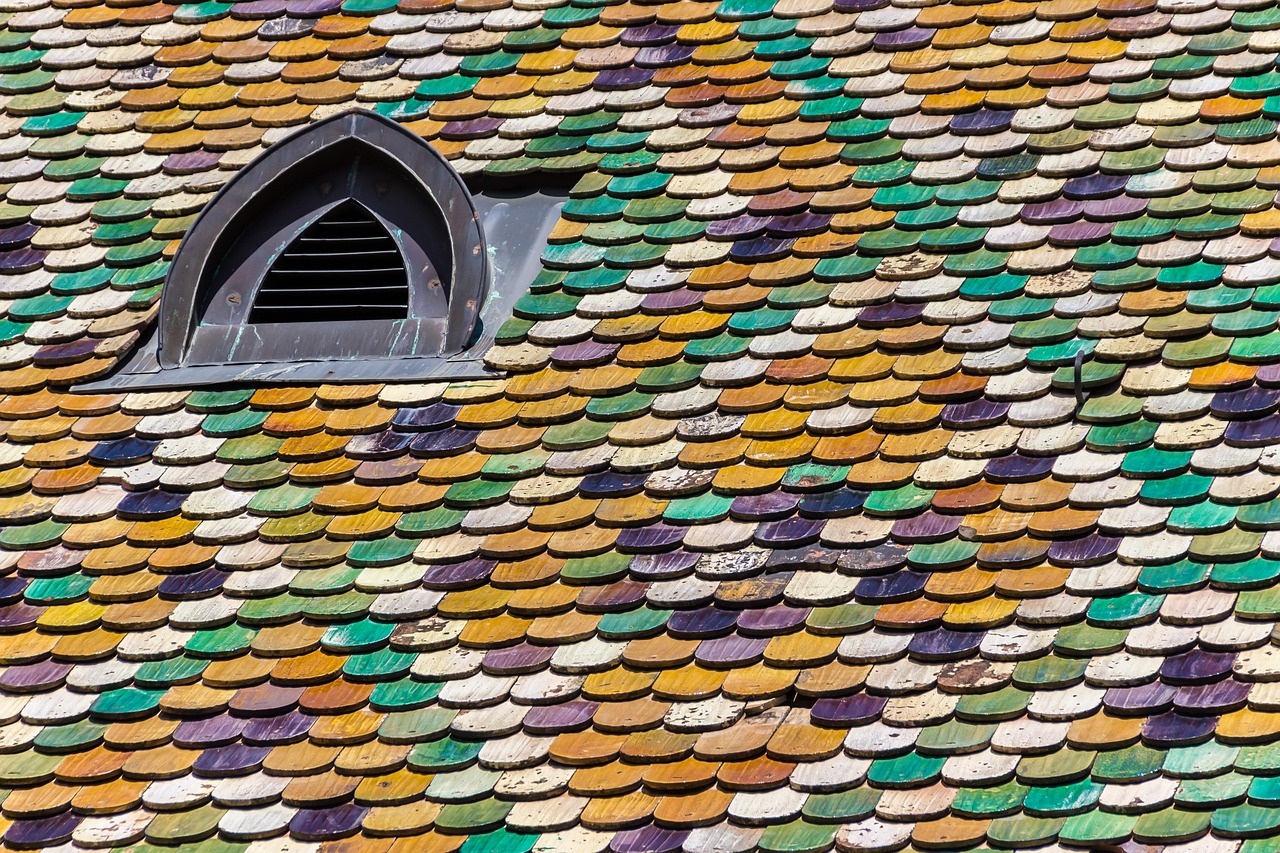
A properly installed roof—whether metal, shingle, or tile—has consistent lines, secure fastening, and no gaps where water can seep. Look for clean edges where it meets the walls, clean flashing around chimneys and vents, and uniform color (new shingles will look even in tone). This is what a $10,000+ investment should look like.
What It Typically Costs
Installation costs vary by region, complexity, and whether you're removing an old roof. Here's what to budget based on typical single-story homes in most markets:
Asphalt Shingles
$5,000–$9,000
Most affordable option; budget extra for removal and disposal.
Metal Panels
$12,000–$18,000
Mid-range; long lifespan offsets initial cost.
Standing Seam
$18,000–$28,000
Premium; best for extreme weather locations.
Tile
$16,000–$32,000
High-end; for hot, dry climates.
When to Call a Professional
I'll be honest: roof installation isn't a DIY project. You need someone properly licensed, insured, and experienced with your chosen material. The stakes are too high—a poorly installed roof leads to water damage, structural rot, and a repair bill that dwarfs what you'd have spent on doing it right the first time. Call a professional if you're getting a full roof replacement, structural work, or significant repairs. If you're doing a roof inspection, walk the perimeter with binoculars from the ground first. If you spot missing shingles, sagging areas, or visible water stains in your attic, that's when you call someone qualified to get up there safely. Don't guess on roofing—it's the fifth-largest expense most homeowners face. It deserves expertise.
Step Through It
Here's the typical timeline if you're moving forward with a roof replacement:
Get multiple quotes. Call at least three roofing contractors. Ask each for references, proof of insurance, and samples of their work on your neighborhood. Price matters, but not as much as reputation.
Verify the contract details. The quote should specify the material, labor warranty, roof removal/disposal, flashings, vents, and timeline. Ask what happens if weather delays the job.
Arrange financing if needed. Some contractors offer financing. Confirm whether your homeowner's insurance will help cover damage-related replacements (usually not—these are maintenance, not damage claims).
Schedule the work. Spring or fall are peak seasons. If urgent, expect higher prices or longer wait times. Plan for 2–5 days of noise and activity.
Inspect during installation. Watch for proper flashing, secure fastening, and clean removal of old materials. A professional crew should keep the site tidy each day.
Final walkthrough. Before paying the balance, inspect the finished roof up close (or ask the contractor to show you photos). Check for consistent lines, secure shingles or panels, and clean edges.
Keep the warranty documents. Store your roof warranty (usually 10–50 years depending on material) somewhere safe. You'll need it if issues arise or if you sell.
Further Reading & Resources
For a deeper dive into roofing material options and installation best practices, This Old House's guide to roofing materials is one of the most trusted resources available. They cover lifespan, cost breakdowns, and regional suitability in detail.
Professional installation ensures your roofing investment is protected. Whether you choose shingles, metal, or tile, working with experienced contractors makes all the difference in longevity and performance.